CD4017 datasheet & Pinout and working explained
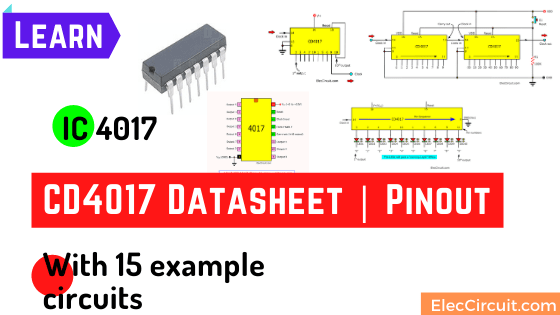
IC 4017 CMOS-Decade counter/divider. When we build the 10 LEDs running light for hobby. Often use IC-4017. This really neat chip contains counter,decoder[…] Read more

IC 4017 CMOS-Decade counter/divider. When we build the 10 LEDs running light for hobby. Often use IC-4017. This really neat chip contains counter,decoder[…] Read more
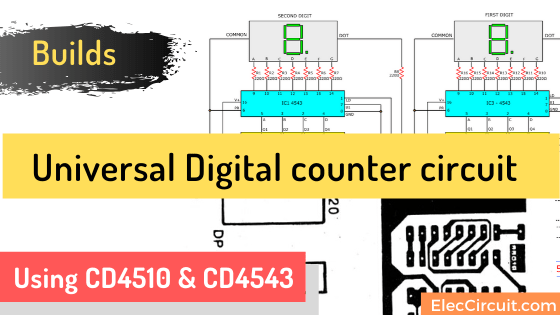
This is Universal digital counter circuit using CD4510 & CD4543,count up or count down,connect output to a 7 segment LED both a Cathode common or Anode Read more
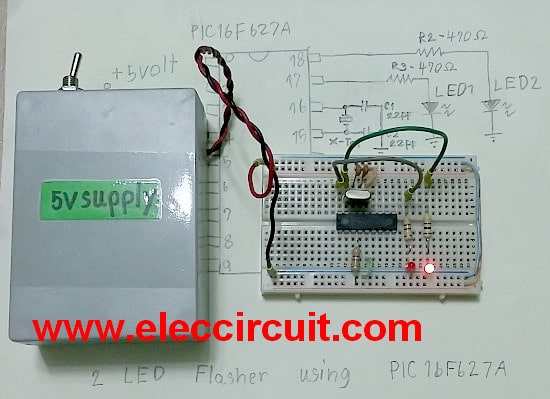
We will try the PIC microcontroller 2 led flasher circuit using PIC16F627.
Because like this circuit Which we can set ON-OFF of both LEDs for easy, long and accurate. Read more
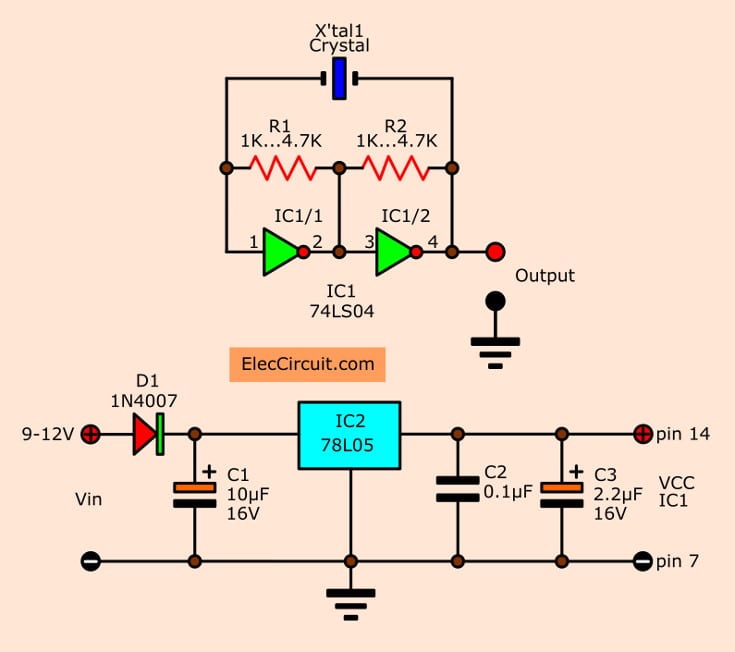
This Simple Crystal oscillator Circuit using 74LS04 that provided square wave of 1MHz to 10MHz, Use inverter gate IC and control frequencies with crystal […] Read more
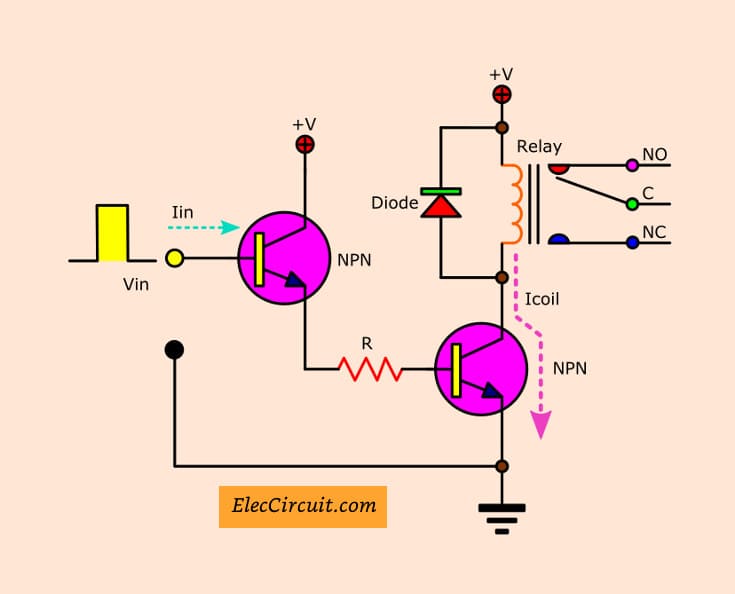
How to control a load with a digital circuit like Arduino? A transistor relay circuit may be answered for you. The output pulse from the digital circuit to biased the transistor is ON. Then, it drives the relay as a switch ON-OFF. To power to any circuits or external devices. Basic Application Relay The Controlling … Read more